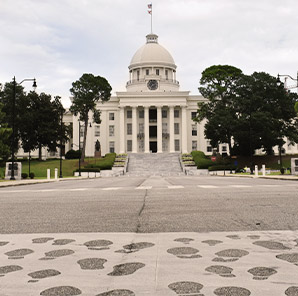
Voting Rights for First-Class Citizenship
The 15th Amendment to the Constitution of the United States was supposed to guarantee the right to vote among the freedoms of former slaves. Unfortunately, with the withdrawal of U.S. troops from the South after Reconstruction, many local officials were determined to roll back the right to vote.
Read More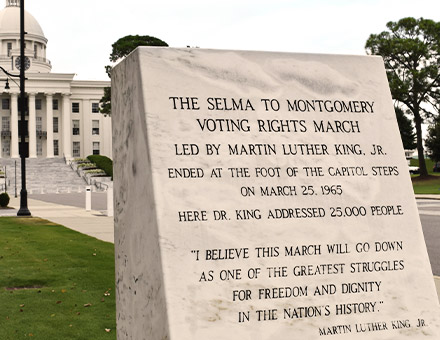
Voter Registration Literacy Tests
One of the Southern Christian Leadership Conference’s (SCLC) initiatives was the Citizenship Education Program (CEP). The program was meant for potential African American voters, teaching literacy and providing spaces for grassroots organizing. By 1961, seven different organizations operated citizenship schools in Georgia, Tennessee, Alabama, and South Carolina. Through these schools, students learned more than literacy, learning how to stand up for their rights within society.

Tent City – a Refuge
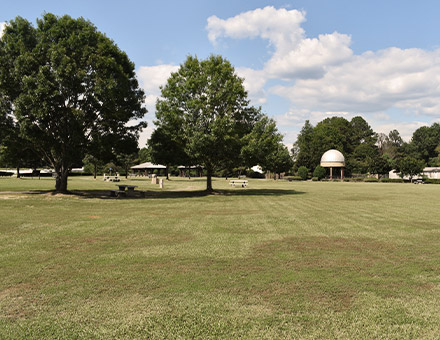
In White Hall, Tent City was established on seven acres of land provided by the Jackson Family to provide a solution for housing for families that had been evicted from their homes because they had been involved in the Voting Rights Movement. Over 20 households were affected, and because they could not move in with neighbors or family, the tents were their only option. In many cases, the families lived in these tents for months, even years.
Voting Rights March
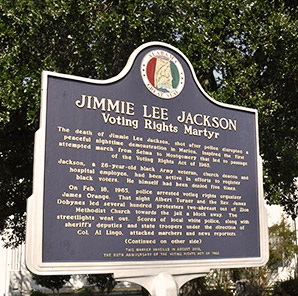
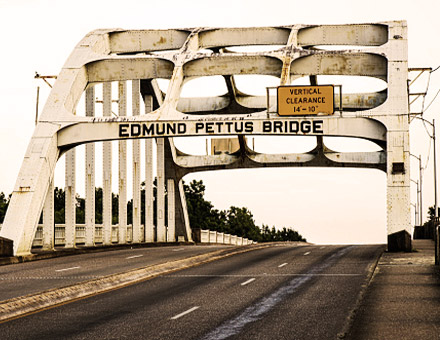
John Lewis, Hosea Williams, and Albert Turner planned the original march from Selma to Montgomery on March 7, 1965, known as “Bloody Sunday”. As events unfolded, Dr. King and other local and national leaders became involved. The final march was a highly planned and coordinated event, on a local, regional and national level. March participants had to be screened to make sure they were in good health, medical staff and volunteers were organized to care for them, and national guardsmen protected the marchers along their route. Volunteers shuttled supplies and people back and forth to and from Selma and Montgomery.
A Rest on the Way
David Hall, Rosie Steel and Robert Gardner were farmers and property owners along the 54-mile route from Selma to Montgomery. The three families offered the Voting Rights march participants a safe place to stop, eat, and rest on their journey. At great risk to their families and property, these families provided essential support, without which, the march may never have taken place.
The Marchers Reach Montgomery
Marchers arrived in Montgomery on March 25, 1965. More than 25,000 marchers from around the country participated in the protest at the State Capitol. This culminating event is often credited with finally providing the political will to sign the Voting Rights Act of 1965 by President Lyndon B. Johnson.