The Birth of the Black Belt
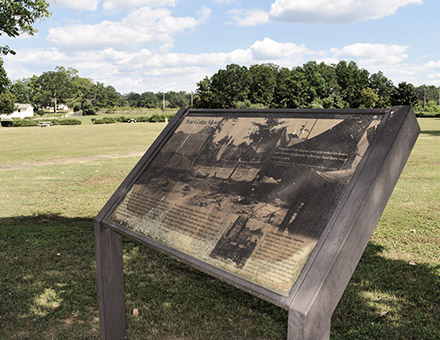
The Black Belt stretches from Tennessee through central Mississippi and Alabama all the way to the Georgia border. It was formed in part by the recession of the oceans that once covered this part of the continent, and benefits from the rich nutrients those waters and the creatures that lived there deposited over millions of years. Tectonic events shaped the land, carved its features, and gave it a rich foundation for its signature flora and fauna.
The Black Belt was populated by indigenous people for many thousands of years prior to European settlement. The soil was fertile, the land held great bounty, and the climate was conducive to development. These same qualities attracted early settlers, and they began to encroach upon the native lands, slowly at first but with ever-increasing and expanding numbers.
The Soil that Changed a Nation
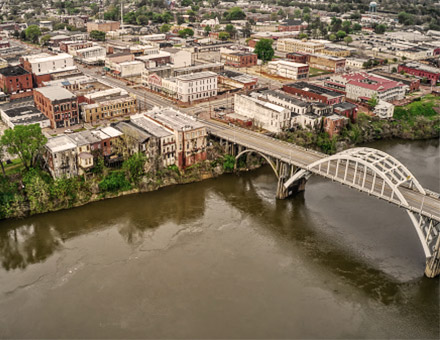
The Black Belt’s rich soil was ideal for growing crops such as cotton. Wealthy, white landowners moved to take advantage of it. Plantations were established around the region, and central to their existence and operation was the ignoble practice of slavery.
In spite of the Emancipation Proclamation and Reconstruction, the powers in control of local governments and economies found ways to exclude African Americans from participation in the political process and forced them into second-class citizenship.
Sharecropping and Disenfranchisement
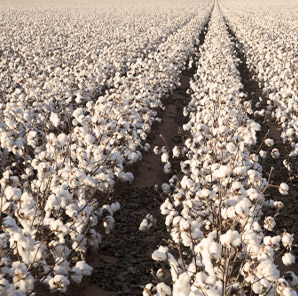
Many African American families had lives tied to the agricultural roots of the region. They grew up farming and tending the land, but many did not have the means nor were given the opportunity to purchase their own land. As such, one of the only options they had to provide for themselves was to work on farms owned by white farmers. This was known as sharecropping. When members of the family attempted to register to vote, they were kicked out of the homes they lived in and lost the jobs they had. Many of them would be housed in tents for more than two years in what would become the “Tent City” of White Hall.